
The Narrator and Hope
The RavenThis flow traces hope as a fragile emotional resource that repeatedly rises and collapses under the refrain.
increasing Bearing strength in each event
 decreasing
Bearing strength in each eventdecreasingMorrow Hope

Morrow Hope
Near Future
The narrator wishes for morning to arrive.
The coming day represents a temporary escape from midnight sorrow.
Vain Expectation
The poem marks the wish as futile before any answer arrives.
Hope is present but already endangered.
Companionship Hope
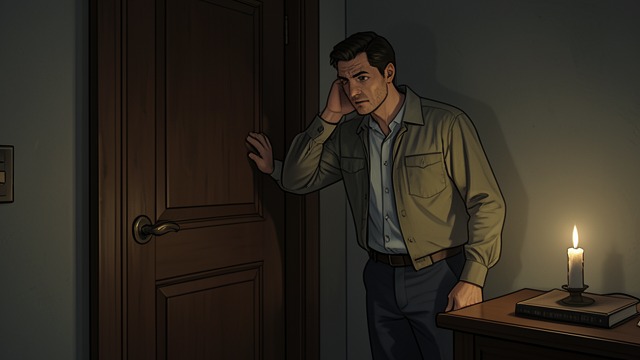
Companionship Hope
Possible Visitor
The narrator imagines someone waiting at the door.
An ordinary visitor could interrupt the solitude surrounding his grief.
Hope Disturbed
Because the visitor remains unknown, expectation becomes nervousness.
The desire for company cannot remain innocent.
Departure Fear
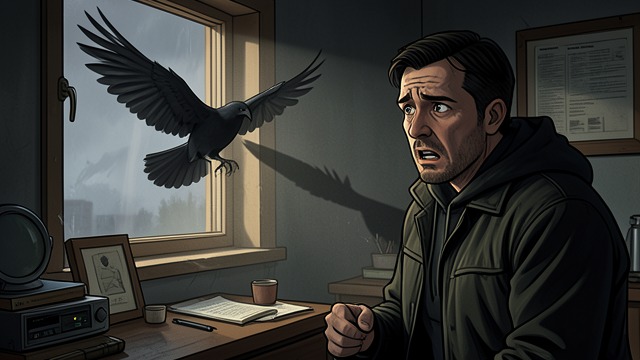
Departure Fear
Hopes Have Flown
The narrator connects The Raven with friends and hopes already lost.
The bird becomes a sign of another coming abandonment.
Refrain’s Pressure
“Nevermore” turns fear into apparent prediction.
Hope begins to depend on a creature that denies it.
Healing Hope
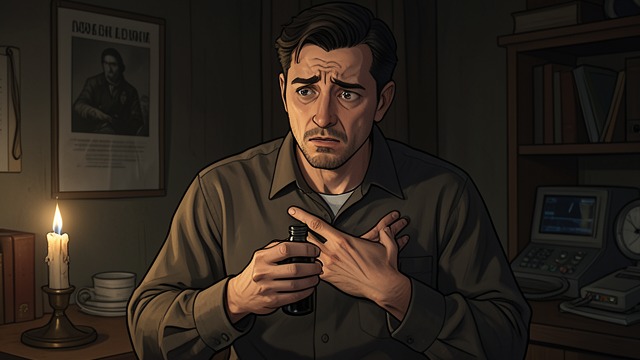
Healing Hope
Sacred Remedy
The narrator asks whether Balm of Gilead can heal him.
His hope has moved from morning to religious medicine.
Lasting Wound
The question acknowledges that his sorrow requires more than ordinary comfort.
Its denial strips hope of practical and spiritual support.
Hope Extinguished
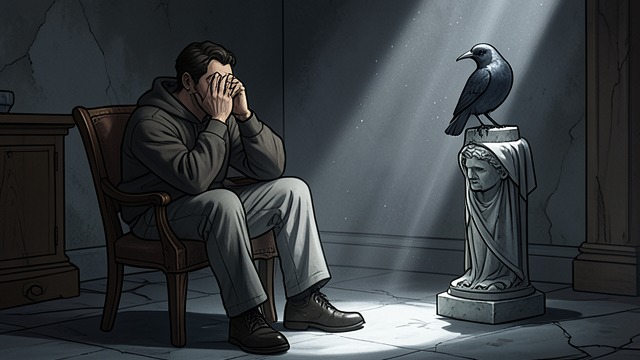
Hope Extinguished
Reunion Denied
The Raven rejects the prospect of Lenore’s future embrace.
The last hopeful image disappears.
Emotional Finality
The narrator’s hope no longer points toward any future event.
It survives only as the memory of what has been refused.
during the opening wish
during the first knocking
after The Raven’s early answers
during the Gilead appeal
at the final answer
